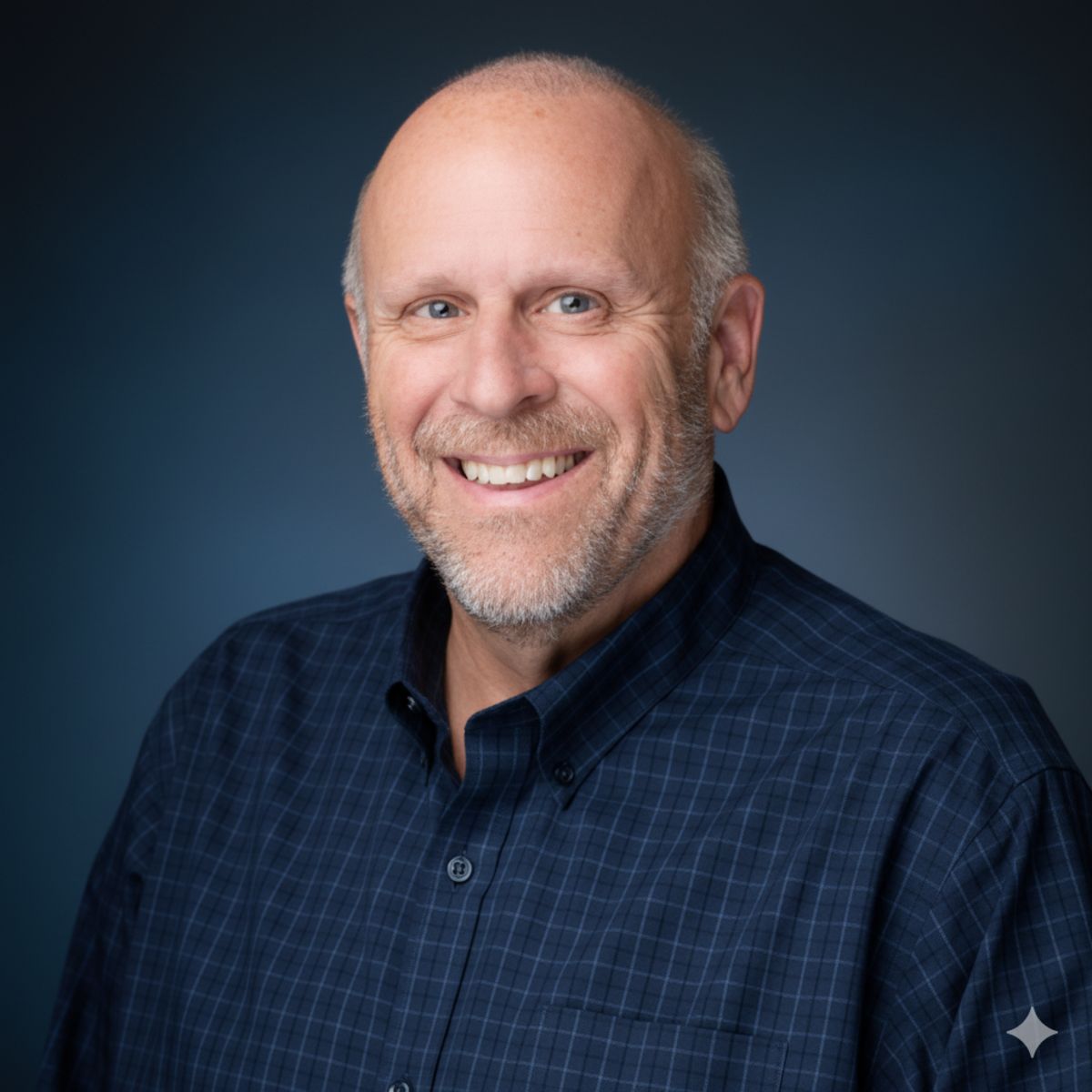
By Curt Roese | Published: September 7, 2026 | Last updated: September 7, 2026
Soft retirement is a deliberate, phased transition out of full-time work that replaces a portion of your income through consulting, coaching, or course sales instead of stopping cold. Done right, it can extend your portfolio by years, capture a permanent increase in your Social Security check, and bridge the gap to Medicare without draining savings at the worst possible time.
Most retirement advice treats the decision as binary: work full-time, or stop completely. That framing made sense when pensions covered your income and employers covered your healthcare until you died. Neither is reliable anymore. This article walks through the actual math behind soft retirement: the risk a hard stop creates, the Social Security math most people leave on the table, the healthcare gap nobody plans for, and the two IRS and Social Security thresholds you need to know before you set a rate.
Why Does the Cliff Retirement Model No Longer Work?
The cliff retirement model, working full-time until a set date and then stopping entirely, was built for a 10 to 15 year retirement funded by a pension. Today's professionals are often funding 25 to 30 years off a portfolio, with no guaranteed monthly check behind it.
The scale of this shift is not small. An average of 11,400 Americans turn 65 every day in 2025, according to the Alliance for Lifetime Income's Retirement Income Institute, the largest wave of retirement-age adults in U.S. history. Fidelity's 2026 State of Retirement Planning Study, published in March 2026, found that 61% of respondents now intend to transition into retirement gradually rather than stop all at once.
This is not a fringe preference. WTW's 2024 Global Benefits Attitudes Survey found that 34% of workers over 50 have either started phasing into retirement or want to. The demand for a gradual path is well documented. What is less discussed is why the math actually favors it, which is where this gets interesting for anyone doing the planning themselves.
How Does a Hard Stop Increase Your Portfolio Risk?
Stopping work completely removes your ability to reduce withdrawals during a market downturn, which is exactly when sequence-of-returns risk does the most damage. A single bad year early in retirement, combined with full dependence on your portfolio, can permanently shrink how long your money lasts.
Consider a retiree who needs $5,000 a month and is fully dependent on portfolio withdrawals. If the market drops 30% in year two of retirement, that withdrawal now represents a much larger share of a smaller balance. The damage compounds every year after, because there is less principal left to recover when the market rebounds.
Now consider the same retiree earning $3,000 a month from consulting. During a downturn, they can pause or reduce the draw entirely, protecting the portfolio at the exact moment it is most vulnerable. This is the part of soft retirement that gets the least attention: it is not just income, it is a risk management tool aimed at the single biggest threat to early retirement, a bad market in the first few years.
When I ran the numbers on my own transition after 30-plus years as a CFO, this was the calculation that mattered more than any single spreadsheet projection. A dollar of consulting income in a bad year is worth more than a dollar of consulting income in a good one, because it is a dollar you did not have to sell low to get.
How Much More Money Can You Get by Delaying Social Security?
Delaying Social Security from 62 to 70 permanently increases your monthly benefit by up to 77% for anyone born in 1960 or later, and every year you keep earning is a year that increase compounds while your portfolio draw shrinks.
For this group, claiming at 62 pays 70% of your full retirement age benefit. Waiting until 70 pays 124%. That spread is permanent and adjusted for inflation for the rest of your life, according to Social Security Administration benefit tables.
| Claiming Age | % of Full Retirement Benefit | Example Monthly Check |
|---|---|---|
| 62 | 70% | $1,400 |
| 67 (Full Retirement Age) | 100% | $2,000 |
| 70 | 124% | $2,480 |
Soft retirement income lets you delay claiming without depleting savings to cover the gap, so you are compounding two things at once: a growing Social Security benefit and a portfolio that is not being drawn down as fast. Most retirement plans optimize one of these. Soft retirement optimizes both simultaneously.
What Does the Healthcare Bridge Cost Before Medicare?
The gap between losing employer coverage and reaching Medicare eligibility at 65 can cost a single retiree $10,000 to $20,000 a year in unsubsidized ACA marketplace premiums, and this is one of the most overlooked line items in early retirement planning.
Premiums vary sharply by age, location, and income, since ACA rules let insurers charge older enrollees up to three times what a 21-year-old pays for the same plan. Subsidy eligibility, which runs roughly 138% to 400% of the federal poverty level in most states, can reduce this substantially, but only if your income stays within range.
| Coverage Option | Typical Cost (2026) | Key Consideration |
|---|---|---|
| ACA Marketplace, no subsidy | $12,000–$21,600/yr | Age-rated; varies by state and plan tier |
| ACA Marketplace, with subsidy | $0–$9,600/yr | Depends on keeping MAGI within subsidy range |
| COBRA | Full premium + 2% fee | Time-limited to 18 months |
| Spouse's employer plan | Often lowest cost | Only available if a spouse is still working |
Even modest consulting income can keep you under an employer plan longer or make marketplace premiums more manageable by giving you more control over your reported income. This is not a reason to avoid soft retirement. It is a reason to model it before you set a start date.
What Are the Two Government Thresholds You Need to Know Before You Set Your Rate?
Before pricing consulting or coaching work, you need to know the IRMAA threshold and the Social Security earnings test, because both can quietly erode income you thought you had secured.
The IRMAA threshold for 2026 sits at $109,000 in modified adjusted gross income for single filers. Cross it and Medicare Part B and Part D premiums increase, based on your income from two years prior, per CMS guidance. The Social Security earnings test applies if you claim benefits before full retirement age: in 2026, benefits are reduced $1 for every $2 you earn over $24,480 a year, according to the Social Security Administration.
| Threshold | 2026 Limit | What Happens If You Cross It |
|---|---|---|
| IRMAA (Medicare surcharge) | $109,000 MAGI (single) | Part B and Part D premiums increase |
| Social Security earnings test | $24,480 (pre-FRA, full year) | $1 withheld per $2 earned above the limit |
Neither threshold is a reason to avoid consulting income. They are planning inputs. A CPA who understands both can structure your rate and your income timing to stay on the right side of each one, which is exactly the kind of detail that gets missed when retirement planning stops at "how much do I need to save."
What Do the Soft Retirement Business Models Actually Look Like?
Three business models fit most professionals transitioning out of full-time work: consulting, coaching, and course or community products, each with a different time commitment and income ceiling.
| Model | Structure | Typical Income Range | Weekly Time |
|---|---|---|---|
| Consulting | Project-based, high rate, no full-time commitment | $3,000–$10,000+/mo | Variable |
| Coaching | Recurring monthly relationships | $500–$2,000/client | 10–15 hrs |
| Course/Community | Build once, sell repeatedly | Scales with audience | Front-loaded |
Imagine a retired operations executive who lands one consulting client at $3,000 a month. That single relationship can cut a portfolio withdrawal by more than half, depending on the household's overall expense picture. All three models draw on expertise you already have, require little startup capital, and let you set your own schedule instead of an employer's calendar.
Is Soft Retirement Right for Your Situation?
Soft retirement tends to make sense when you can answer yes to most of four questions: do you have expertise someone would pay for, can consulting or coaching income cover half or more of your monthly expenses, are you willing to delay Social Security, and do you want to stay professionally engaged?
Three or more "yes" answers is a strong signal. From there, the real test is running the numbers across three scenarios: a hard stop, a three-year soft transition, and a five-year soft transition. The difference in portfolio survival rate across those scenarios is often larger than people expect, and most financial advisors never show you that comparison side by side.
Frequently Asked Questions
Can I work part-time and still collect Social Security before 67?
Yes, but if you claim before full retirement age and earn above $24,480 in 2026, your benefit is reduced $1 for every $2 earned over that limit. The withheld amount is not lost. It is added back once you reach full retirement age.
How much does health insurance really cost between 62 and 65?
For a single retiree, unsubsidized ACA marketplace premiums can run $12,000 to $21,600 a year, depending on age, state, and plan tier. Subsidies can bring that down significantly if your reported income stays within the eligible range.
What is the actual break-even age for delaying Social Security to 70?
For most people born in 1960 or later, the break-even point when comparing claiming at full retirement age versus 70 lands around age 82. If you expect to live past that, delaying tends to produce more lifetime income.
Will consulting income push me into a higher Medicare premium bracket?
It can, if your modified adjusted gross income crosses $109,000 as a single filer in 2026. This is a planning input, not a reason to turn down income. A CPA can help you structure the timing.
What counts toward the Social Security earnings test?
Wages, bonuses, commissions, and net self-employment income count. Pension payments, annuities, investment income, and IRA or 401(k) withdrawals do not.
Is soft retirement realistic without a big severance or pension?
Yes, if you have marketable expertise. Consulting and coaching models require low startup capital. The main asset is 20 to 30 years of judgment in a specific domain, not capital reserves.
How do I know if I'm ready to start?
Start with your monthly income target, then identify the specific problem you have solved repeatedly over your career. That combination usually points directly to whether consulting, coaching, or a course model fits best.
The Bottom Line on Soft Retirement
Soft retirement is not a compromise between working and retiring. It is a financial strategy that addresses the three risks a cliff retirement ignores: sequence-of-returns risk, an undervalued Social Security decision, and an underpriced healthcare gap. The math behind it is not complicated, but it does require running actual numbers instead of following a default assumption.
If you have expertise someone would pay for, and you are within a few years of a retirement date, the decisions worth making now are which income model fits your situation and what your monthly target should be. Our Soft Retirement Blueprint walks through that math in more detail, including how to size your own gap, bridge, and runway.
Model your numbers. The single biggest mistake in this decision is guessing instead of calculating your specific gap between what you need and what a phased income model can realistically produce. Try it yourself: Boldin
Next Steps
Before you set a transition date, run your own numbers across three scenarios: a hard stop, a three-year soft transition, and a five-year soft transition, using your actual expenses and a realistic consulting or coaching income estimate for your field.
Curt Roese is a CPA and former CFO with over 40 years of financial leadership experience, including serving as CFO of Fountainhead Commercial Capital and co-founding Westmont Homes. He holds an M.S. in Entrepreneurship from the University of Florida (December 2025) and founded Retirepreneur to help professionals 55 and older build phased, financially sound transitions out of full-time work. Read more About Curt.