

Still Building…
Spent time this week going deeper on the YouTube research and it confirmed something I already knew but had not acted on fully. Covering only the three core models was leaving real value on the table for an audience that deserves the full picture.
This week's featured story is about exactly that. There are more paths to a second-act income than consulting, coaching, and courses, and each one carries a different financial profile, time commitment, and risk structure worth understanding before you choose.
There is no single right answer here. The professionals who make the best decisions in this chapter are the ones who took the time to understand all of their options before committing to one.
Keep Building!
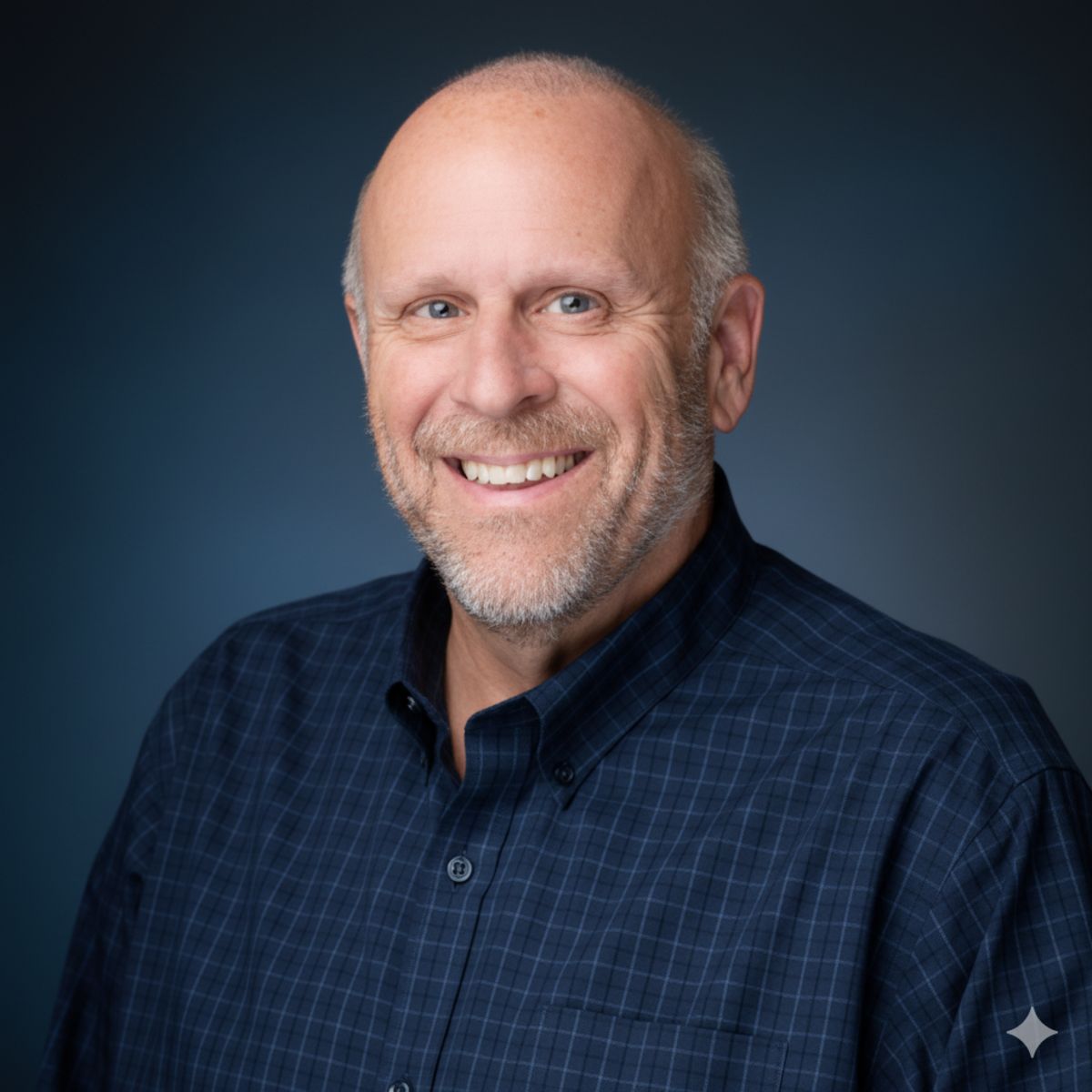
Curt
FEATURED STORY
Best Small Business Ideas in 2026
We have spent a lot of time in this newsletter on consulting, coaching, and courses. Those three models remain the right starting point for most professionals 55+, and that is not changing.
But the deeper I get into this work, the more I realize the real goal is not simply creating income. It is building a structure that fits your finances, your energy, and how you actually want to spend your time.
The model you choose should match your financial runway, not just your interests.
That is the lens I want to apply to four models we have not covered enough here.
Fractional Executive Work — Fastest Path to Real Income
This is the most direct path from your corporate experience to a paycheck. Companies increasingly hire part-time CFOs, CMOs, and COOs rather than carrying full-time overhead. If you held a C-suite or senior director role, this is project-based executive work at $5,000 to $15,000 per month with no equity risk and no startup runway required.
→ Who this fits best: Professionals who want immediate income with minimal startup friction and a network they can activate in the next 30 days.
Media — The Long-Game Asset
Newsletter, YouTube, podcast. I will be transparent because I chose this model and I know exactly what it costs in time before it pays. First meaningful revenue takes 12 to 24 months of consistent output. I do periodic fractional work to maintain real cash flow while the media asset builds.
The honest upside is this: a media business with an engaged audience generates affiliate revenue, product sales, and eventually sponsorships that are not capped by your billable hours. No other model on this list compounds the same way over time. If you need income in the next 90 days, this is not your starting point. If you are thinking five years out, it belongs in the conversation.
→ Who this fits best: Professionals willing to trade near-term time for a long-term asset that generates income independent of how many hours they work.
Franchise Ownership — The Executive Model
The common image of a franchise owner is someone behind a counter. That is not the model worth considering here. The structure that fits experienced professionals is operational oversight. You hire the managers, apply the financial discipline, and run it the way you spent 30 years running things. Senior care franchises have strong demographic tailwinds and are specifically built for this structure.
Before committing to anything, read Item 19 of the Franchise Disclosure Document. That is where the real earnings data lives, not the marketing materials.
→ Who this fits best: Operators who are comfortable managing people and systems, and who want an established brand with proven unit economics rather than building from scratch.
Buying an Existing Business — Acquiring Cash Flow
You skip the validation phase entirely and acquire something with revenue already attached. The tradeoff is capital and complexity. SBA 7(a) loans are the primary financing vehicle, and the underwriting process is more rigorous than most people expect. You want three years of clean financials, a clear picture of why the owner is selling, and an SBA lender who has closed deals in that industry before.
→ Who this fits best: Professionals with capital access, strong financial discipline, and the patience for a 6 to 12 month process from decision to close.
"The second act is not about picking the perfect model. It is about choosing a structure that lets you keep building without creating unnecessary financial pressure along the way."
The Question That Cuts Through All of It
Every model on this list works. The right question is not which model sounds most exciting. It is which one your financial situation can realistically support while you build it.
The blog post, podcast, and YouTube video this week go deeper on each path with the specific numbers behind them.
THAT’S A WRAP
You spent decades building expertise, credibility, and financial stability for exactly this moment. The only question left is which structure lets you use all of it on your own terms.
Explore the full breakdown of every model below: podcast, blog, and video all this week.


Curt Roese, CPA
Founder, Retirepreneur | Former CFO
👉 If you got something useful from this week's issue, the best thing you can do is share it with one person who needs it. → Subscribe to Retirepreneur Weekly!